As you navigate the world of hearing aids, you're likely looking for devices that prioritize comfort and clarity, especially if you're a senior. Models like Jabra Enhance Plus and Phonak Audéo Lumity stand out for their user-friendly designs and advanced technology, ensuring effective speech amplification and adaptability to various environments. These devices are lightweight, discreet, and equipped with long-lasting rechargeable batteries and intuitive controls. By enhancing sound quality, they can greatly improve your social engagement and cognitive health. But what makes these hearing aids truly suitable for seniors, and how can you choose the best one for your needs?
Key Takeaways
- Jabra Enhance Plus: Wireless earbud design with long battery life, effective speech amplification, and easy setup via app.
- Phonak Audéo Lumity: Adapts to different listening environments, offers clear sound, and various styles (BTE, ITE, ITC) for fit.
- ReSound ONE: Innovative design enhances sound quality, ideal for noisy environments.
- Signia Styletto AX: Slim profile, stylish design, and practicality.
- Sennheiser All Day Clear: Budget-friendly features like Bluetooth streaming.
Best Hearing Aids for Seniors
When it comes to finding the best hearing aids for seniors, there are several key factors to take into consideration. You'll want to evaluate the type of hearing loss you're dealing with, the comfort level of the hearing aid, and the sound amplification it provides. Let's break down some top picks that cater to seniors' unique needs.
For a comfortable and user-friendly experience, the Jabra Enhance Plus is a great choice. These hearing aids are designed to look like wireless earbuds, offering long battery life and effective speech amplification. Plus, they're easy to set up and maintain using the Jabra Enhance app. For more advanced hearing loss, Phonak Audéo Lumity is a standout. It automatically adjusts to different listening environments, providing clear sound and enhancing the overall hearing experience. These hearing aids come in various styles, such as behind-the-ear (BTE), in-the-ear (ITE), and in-the-canal (ITC), ensuring there's a perfect fit for everyone.
Elderly User Experience Insights
Elderly users' experiences with hearing aids are greatly influenced by the device's usability and comfort. You want a hearing aid that's easy to put in, take out, and adjust – basically, something that won't make you want to pull your hair out (if you still have some). User feedback is vital here, and manufacturers are finally listening.
| Feature | Why It Matters |
|---|---|
| Simple controls | You don't want to be fiddling with tiny buttons all day. |
| Lightweight design | Heavy hearing aids are uncomfortable and can cause ear fatigue. |
| Discreet appearance | Let's face it, you don't want a hearing aid that screams "I'm old!" |
The emotional impact of a good hearing aid can't be overstated. Imagine being able to hear your grandkids' laughter or your partner's whispers without straining. It's a game-changer. Look for hearing aids with features like voice enhancement and noise reduction to make conversations a breeze. And don't be afraid to ask for help – many audiologists offer free trials and demos to guarantee you find the perfect fit. Your ears (and your sanity) will thank you.
Comfort and Clarity Features

Comfort and Clarity Features are vital for seniors when selecting a hearing aid. You want a device that not only helps you hear better but also feels comfortable in your ear. Let's explore what makes a hearing aid comfortable and clear.
First off, sound quality is key. You want to be able to understand conversations without straining your ears. Look for hearing aids with advanced noise reduction and speech recognition features. The ReSound ONE hearing aid, for example, uses an innovative design to improve sound quality and help you focus on specific noises, even in crowded environments.
Comfort design is also important. You'll be wearing your hearing aids for extended periods, so they should fit snugly without causing discomfort. The Signia Styletto AX hearing aids are known for their slim profile and stylish design, making them both comfortable and practical. With long battery life and convenient rechargeability, these hearing aids guarantee you can enjoy clear hearing without worrying about them dying on you.
Senior-Friendly Hearing Aid Brands
Choosing the right hearing aid brand can greatly impact your overall experience, especially as a senior. You want a brand that understands your needs and offers reliable, user-friendly devices. Let's explore some senior-friendly hearing aid brands that stand out from the rest.
Take Phonak, for instance. Their Audéo Lumity model is a top pick among seniors, offering clear sound, stable Bluetooth connections, and hands-free calling. ReSound is another brand that shines, with their ONE hearing aid featuring an innovative design that helps you focus on specific noises, even in crowded environments. Sennheiser's All Day Clear is a budget-friendly option that still packs impressive features like Bluetooth streaming and an onboard hearing test.
When comparing these brands, consider user testimonials. For example, Phonak's Lumity gets rave reviews for its sound quality and customization options. ReSound's ONE hearing aid is praised for its ability to help seniors understand conversations better. These brand comparisons and user testimonials will help you make an informed decision and find the perfect hearing aid for your needs.
Ease of Use and Setup
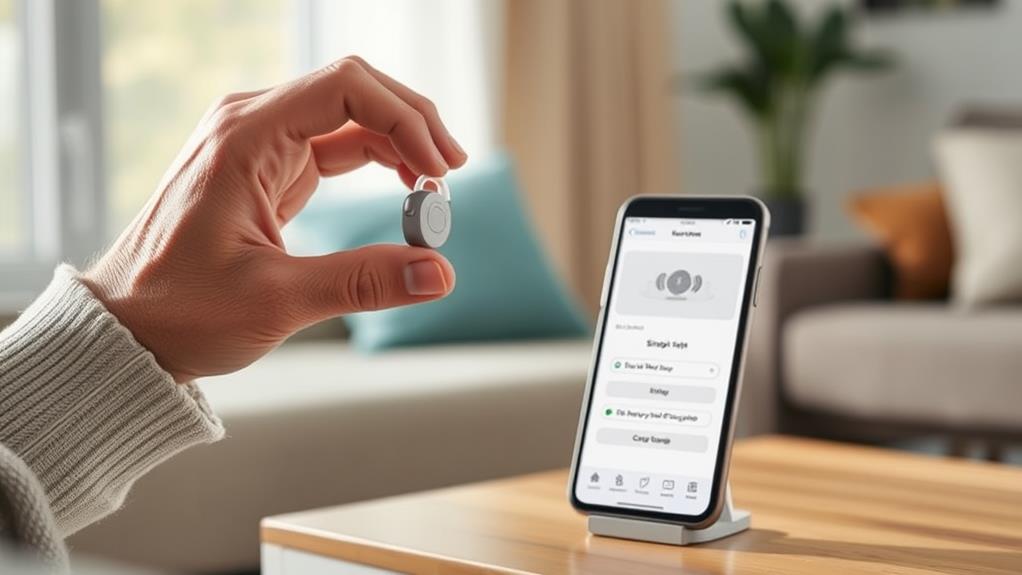
When it comes to setting up your hearing aid, simplicity is key. You want user-friendly interfaces that make it easy to get started without needing a PhD in tech. Look for hearing aids with intuitive controls that don't require you to be a puzzle master. You need something that's straightforward and easy to navigate, especially if you're not tech-savvy.
Think about it like setting up a new smartphone. You don't want to spend hours figuring out how to make a call or send a text. Same thing with your hearing aid. You want to put it in, turn it on, and be able to hear your grandkids without a fuss. Brands like Lexie B1 by Bose offer this kind of simplicity, with easy app use and personalized sound adjustments. So, when choosing your hearing aid, make sure it's designed with ease of use in mind. Your sanity (and your hearing) will thank you.
Advanced Technology for Seniors
The right hearing aids can be game-changers for seniors, leveraging cutting-edge technology to enhance sound quality and user experience. Advanced technology for seniors isn't just about amplifying sound; it's also about enhancing auditory processing and providing assistive listening features that make a real difference in everyday life.
- Rechargeable Batteries: Say goodbye to fiddling with tiny batteries. Rechargeable hearing aids are a boon for seniors, offering convenience and ease of use.
- Automatic Adjustments: Many modern hearing aids can automatically adjust to different listening environments, ensuring ideal sound quality with minimal fuss.
- Connectivity Options: From Bluetooth connectivity to smartphone apps, today's hearing aids offer a range of features that make staying connected easier than ever.
When choosing a hearing aid, consider how advanced technology can meet your specific needs. For example, if you struggle with background noise, look for hearing aids with advanced noise cancellation features. If you're tech-savvy, you might appreciate hearing aids with customizable settings and smartphone integration. The key is finding a hearing aid that not only improves your hearing but also fits your lifestyle and preferences.
Hearing Aid Maintenance Tips

You're rocking your new hearing aids, but now it's time to get serious about maintenance. To keep them in top shape, you'll need to clean them regularly and store them properly – think of it like giving your car a tune-up, but without the hefty price tag. By taking a few minutes each day to wipe them down and stash them in a dry spot, you'll be extending their lifespan and saving yourself the hassle of dealing with faulty batteries or clogged receivers.
Cleaning and Storage Tips
Effective hearing aid maintenance is essential for seniors to guarantee their devices perform at their best and last longer. Cleaning techniques are vital to remove all the gunk that can clog your hearing aids. Storage solutions are just as important to keep your devices safe and dry.
Here are some tips to keep your hearing aids in top shape:
- Daily Cleaning: Wipe down the entire hearing aid with a soft, dry cloth. Use a cleaning brush to gently remove earwax and debris from the microphone ports. If you spot any moisture, use a bulb blower to dry it out.
- Weekly Cleaning: Use a wax pick to clear away any stubborn wax or debris. For behind-the-ear hearing aids, clean the external and internal parts, paying special attention to the microphone ports and sound tube.
- Storage: Store your hearing aids in a dehumidifier at night to keep them dry and extend their lifespan. Avoid using liquid or spray cleaners unless they are approved for your specific model, and never use water or alcohol to clean your hearing aids.
Extending Battery Life
Proper battery care is key to extending the life of your hearing aid batteries. You might not think about it often, but how you manage your batteries can make a big difference in how long they last. So, let's explore some practical tips to keep your hearing aids going strong.
First off, turn off your hearing aids when you're not using them. It's simple but effective. Also, opening the battery compartment at night helps prevent moisture buildup, which can be a real battery killer. Store your spare batteries in a cool, dry place, away from sunlight. Don't let them just sit around getting old and useless!
For power efficiency, adjusting your volume and settings appropriately can save a lot of battery juice. Higher volumes and features like Bluetooth connectivity can drain batteries faster, so be mindful of that. Clean battery contacts regularly to guarantee they're working at their best. And if you're using disposable batteries, consider switching to rechargeable ones. They might cost more upfront, but they'll save you money and hassle in the long run.
Customization for Elderly Users
You're looking for hearing aids that fit your unique needs, and that's where customization comes in. Individualized hearing solutions can make a huge difference, especially when paired with adaptive technology features that learn your preferences over time. Ergonomic design options, like larger controls and comfortable fits, can also make a big difference in how easily you can use and adjust your hearing aids.
Individualized Hearing Solutions
When selecting hearing aids for seniors, how can individual needs be met to guarantee ideal sound quality and comfort? The key lies in personalized fitting and a lifestyle assessment. Your audiologist will work with you to understand your specific hearing loss, lifestyle, and preferences to find the perfect fit.
Here are some ways to secure individualized hearing solutions:
- Get a thorough hearing evaluation: This includes an audiogram test to assess the severity and type of your hearing loss. Your audiologist will use this information to recommend the best hearing aid for you.
- Consider your lifestyle: If you're active and enjoy outdoor activities, you might need hearing aids with advanced noise reduction features. If you're more of a homebody, simpler models might suffice.
- Choose hearing aids with customizable settings: Some hearing aids allow you to adjust settings for different environments, like restaurants or movie theaters. This secures you get the best sound quality in any situation.
Adaptive Technology Features
Customizing hearing aids for elderly users involves incorporating adaptive technology features that address their unique needs and preferences. You're not just looking for any hearing aid; you want one that makes conversations clearer, TV shows more enjoyable, and background noise less annoying.
Let's talk about smart sound and personalized settings. These features can automatically adjust to different environments, like switching from a quiet room to a noisy restaurant. Imagine having a hearing aid that can tell the difference and adapt accordingly – that's what you get with advanced models like ReSound ONE and Phonak Paradise. They use AI to learn your preferences and adjust the sound in real-time.
These aren't your grandma's hearing aids (no offense to grandma!). Modern hearing aids are like tiny computers for your ears, complete with Bluetooth connectivity and smartphone apps. They can even stream music and phone calls directly to your ears. With brands like Clarity and hear.com, you can find the perfect blend of technology and comfort. So, why wait? Immerse yourself in the world of adaptive hearing aids and rediscover the joy of hearing.
Ergonomic Design Options
Ergonomic design options play a significant role in enhancing the usability of hearing aids for elderly users. Think about it – you're probably going to wear these things for a good chunk of your day, every day. You want them to be comfortable, right? That's where ergonomic design comes in. Lightweight designs and ergonomic materials can make a big difference in how comfortable your hearing aids are.
Here are some key things to look for:
- Comfort fit: Look for hearing aids with a snug fit that won't cause discomfort or irritation.
- User-friendly controls: You want controls that are easy to use, even if your hands aren't as steady as they used to be.
- Customization options: Some hearing aids offer custom molds that fit perfectly in your ear, which can be a game-changer for comfort.
When it comes to ergonomic design, it's all about making sure your hearing aids are as comfortable as possible. This isn't just about feeling good – it's also about making sure you actually wear the things. After all, the best hearing aids in the world won't do you any good if they're sitting in a drawer somewhere.
Benefits for Cognitive Health

Hearing aids offer significant benefits for cognitive health in seniors, particularly in reducing the risk of dementia and cognitive decline. You're probably wondering how hearing aids can impact your brainpower. Well, let's explore the cognitive benefits and mental wellness perks of using hearing aids.
Research shows that untreated hearing loss can lead to cognitive decline, social isolation, and even depression. But, with hearing aids, you'll be more engaged in conversations, stay connected with loved ones, and maintain your mental sharpness. In fact, a study found that seniors who used hearing aids had a 50% lower risk of cognitive decline compared to those who didn't use them. That's a pretty compelling reason to get fitted for hearing aids!
Affordable Options for Seniors
Recently, significant strides have been made in making hearing aids more accessible and affordable for seniors. You're no longer stuck with clunky, expensive devices that make you feel like your grandma (no offense to grandma!). Today, you've got plenty of budget-friendly options to choose from, and we're here to break them down for you.
When it comes to price comparison, here are some key things to take into account:
- Rechargeable batteries: These can save you money in the long run and are more environmentally friendly. Look for brands like Jabra, Lexie, and Audien that offer rechargeable options.
- Digital technology: This is where the magic happens. Digital hearing aids can be programmed to suit your specific hearing needs and are often more comfortable to wear. Plus, they're usually cheaper than analog models.
- Warranty and financing: Make sure to check the warranty and financing options for your chosen hearing aid. Some brands offer more extensive coverage and flexible payment plans than others.
Conclusion
You've got your top picks for senior-friendly hearing aids, focusing on comfort and clarity. Now, it's time to take action. Don't let hearing loss hold you back from enjoying life's moments. Choose a model like Jabra Enhance or Phonak Audéo Lumity, known for their user-friendly designs and advanced technology. Remember, these devices aren't just about hearing better; they're about living better. So, go ahead and take the first step towards a clearer, more fulfilling life.