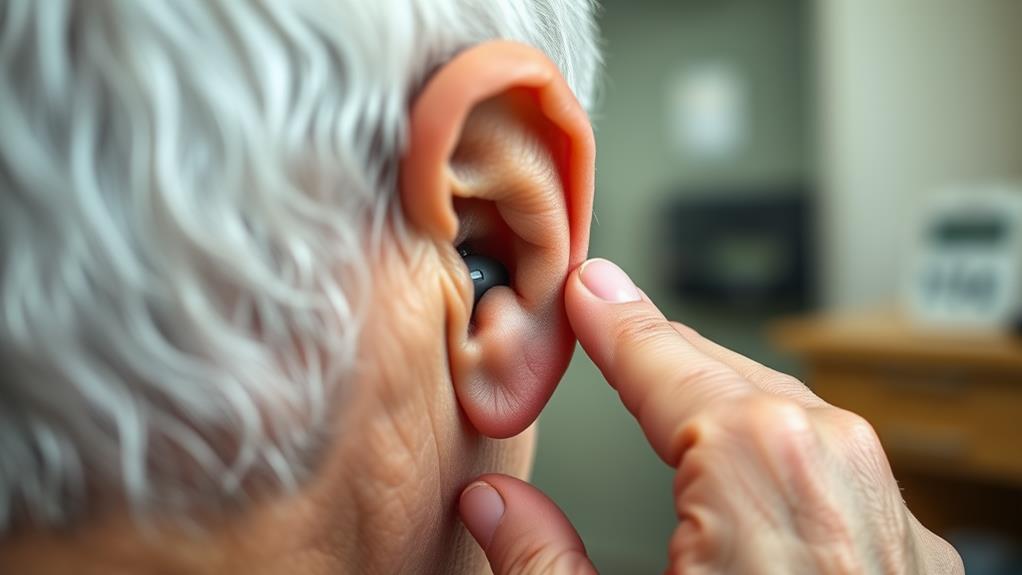
You’ve probably heard that aging comes with its fair share of challenges, but have you considered the hidden costs? One significant expense that often catches seniors off guard is the price of hearing aids. These essential devices can set you back thousands of dollars, and surprisingly, they’re not covered by many insurance plans, including Medicare. As you or your loved ones approach retirement age, it’s vital to understand the financial implications of hearing loss and the potential impact on quality of life. So, what options are available to help manage this unexpected expense, and how can you prepare for this often-overlooked aspect of aging?
Key Takeaways
- Hearing aids cost between $1,000 to $4,000 per device, with most insurance plans not covering them.
- Medicare does not cover hearing aids, while Medicaid coverage varies significantly by state.
- Untreated hearing loss is linked to cognitive decline, social isolation, and increased risk of depression among seniors.
- Financial assistance resources include government grants, non-profit organizations, and state-specific assistance programs.
- Regular hearing check-ups are recommended for adults over 50, with early detection leading to timely intervention and treatment.
Medicare Coverage for Hearing Aids
Confusion often surrounds Medicare’s coverage of hearing aids. You might be thinking, “Great! I’ll just use my Medicare when I need hearing aids.” Not so fast, buddy. Here’s the kicker: Original Medicare doesn’t cover hearing aids. Yep, you heard that right (pun intended).
Medicare limitations are no joke when it comes to your ears. They’ll cover diagnostic hearing exams if your doctor orders them, but that’s about it. You’re on your own for the actual devices. It’s like they’re saying, “We’ll tell you you’re going deaf, but we won’t help you hear better.” Talk about a raw deal!
Now, hearing aid technology has come a long way, offering features like background noise management and wireless connectivity. We’re talking tiny computers for your ears, not your grandpa’s clunky devices. But all that fancy tech comes with a hefty price tag. Some Medicare Advantage plans might offer coverage, but it’s usually limited. So, what’s a hard-of-hearing person to do? Start saving those pennies, because those little ear gadgets aren’t cheap. Welcome to the joys of aging!
Out-of-Pocket Expenses
Get ready for some financial shock: out-of-pocket expenses for hearing aids can be substantial. You might think you’ve got it covered, but surprise! There’s a whole world of hidden expenses waiting to ambush your wallet. It’s like a sneak attack on your bank account, folks.
First up, you’ll need batteries. Lots of them. These tiny power packs will drain your funds faster than a teenage shopaholic at the mall. Then there’s maintenance. Yep, your hearing aids need TLC too. Regular cleanings, repairs, and adjustments will keep them humming along, but they’ll also keep your credit card busy. Make sure to follow proper storage practices to avoid unnecessary damage.
Don’t forget about accessories! Carrying cases, cleaning tools, and moisture guards are all part of the hearing aid package deal. Oh, and let’s not overlook insurance. Because nothing says “fun” like paying to protect the thing you already paid for, right?
Supplemental Insurance Options

Speaking of insurance, you might be wondering if there’s a way to soften the financial blow of hearing aid expenses. Well, buckle up, because we’re diving into the wild world of supplemental insurance options!
First off, check if your private insurance or employer coverage includes hearing aids. Some plans are surprisingly generous, while others are stingier than your Uncle Bob at Christmas. If you’re on a tight budget, don’t despair! There are low-income assistance programs and payment plans that can help you avoid selling a kidney. Also, be sure to look into clinics with best reviews for affordable and quality hearing aid services.
But wait, there’s more! Keep your eyes peeled for hearing aid discounts and community programs. They’re like finding a $20 bill in your old jeans – unexpected and delightful. And don’t forget about tax deductions; Uncle Sam might actually cut you some slack for once.
Lastly, non-profit organizations are your secret weapon. They’re like fairy godmothers for your ears, offering support and sometimes even free or low-cost hearing aids. So, put on your detective hat and start exploring these options. Your wallet (and your ears) will thank you!
Affordable Care Act Impact
Maneuvering the impact of the Affordable Care Act (ACA) on hearing aid coverage can be tricky. You’d think this game-changing healthcare law would’ve thrown a lifeline to your ears, right? Well, not so fast, grandpa!
Despite its focus on affordable healthcare, the ACA didn’t exactly roll out the red carpet for your auditory needs. It’s like they forgot about the aging demographics who can’t hear their grandkids without some high-tech help. Bummer!
But don’t toss your hearing aids just yet. While the ACA doesn’t mandate coverage for these pricey little gadgets, it did open some doors. Some states got crafty and expanded their Medicaid programs to include hearing aids. Others said, “Nah, we’re good.”
Here’s the kicker: the ACA indirectly impacted hearing aid access by improving overall health coverage. Better general health? Better chance of catching hearing issues early. It’s like a roundabout way of helping your ears without actually, you know, helping your ears.
Medicare Advantage Plans

While the ACA left hearing aids in a gray area, Medicare Advantage plans have stepped up to the plate. These private insurance options, available during Medicare enrollment, are like the cool kids of healthcare. They’re not your grandma’s boring coverage – they’ve got style and perks!
Many Advantage plan features now include hearing aid benefits. It’s like they’ve finally realized that ears are kind of important. Who knew? These plans might cover hearing tests, fittings, and even the devices themselves. It’s not always a full ride, but hey, it’s better than nothing.
Here’s the kicker: you’ve got to do your homework. Not all Advantage plans are created equal. Some might offer a sweet deal on hearing aids, while others barely acknowledge that ears exist. It’s like shopping for cereal – you’ve got to read the labels carefully.
Don’t be shy about asking questions. Insurers love explaining their plans almost as much as you love listening to them (not). But seriously, understanding your options could save you big bucks. So put on your detective hat and start investigating!
Prescription Drug Plans
As we explore the world of Prescription Drug Plans, you might be wondering how they fit into the hearing aid puzzle. Well, buckle up, because we’re about to plunge into the wild world of pills and policies!
First things first, let’s talk about prescription limitations. You’d think getting your meds would be a breeze, but nope! These plans love to throw curveballs. They might cover your blood pressure pills but give your arthritis meds the cold shoulder. It’s like a game of medication roulette!
Now, let’s spice things up with a table that’ll make your head spin:
| Plan Type | Coverage | Deductible | Copay | Network |
|---|---|---|---|---|
| Basic | Limited | High | Fixed | Small |
| Standard | Moderate | Medium | Tiered | Medium |
| Premium | Extensive | Low | Low | Large |
| Specialty | Targeted | Varies | High | Limited |
| Custom | Flexible | Negotiable | Varies | Varied |
But wait, there’s more! Let’s talk about medication interactions. It’s like a chemistry experiment in your body, and trust me, you don’t want any unexpected explosions. Your hearing aid meds might not play nice with your other prescriptions, so it’s essential to keep your doc in the loop.
Medicaid and Hearing Aid Coverage
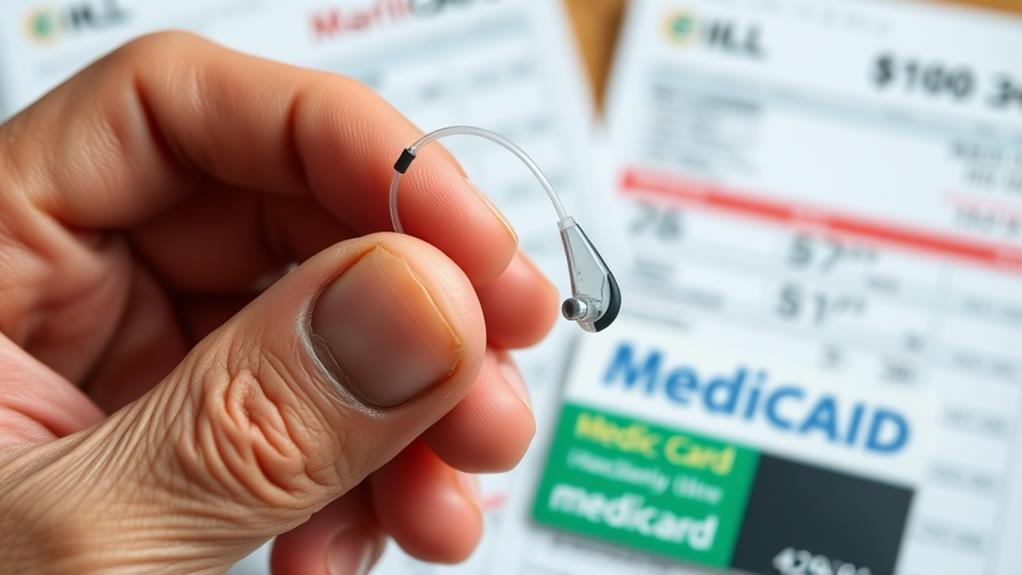
Think Medicaid’s got your back for hearing aids? Well, it’s not that simple. Coverage depends on which state you live in, and you’ll need to meet specific eligibility requirements to qualify. But don’t lose hope – some states offer extra perks like batteries or repairs, so it’s worth checking out your local Medicaid office for the full scoop.
Coverage Varies by State
Many states offer varying levels of Medicaid coverage for hearing aids, creating a patchwork of benefits across the country. You’ll find that state regulations can be as different as night and day when it comes to hearing aid coverage. Some states are generous, offering full coverage for adults, while others leave you high and dry. It’s like a bizarre game of hearing aid roulette!
These funding disparities can make your head spin. In one state, you might be swimming in hearing aid options, while in another, you’re left scrounging for spare change in your couch cushions. It’s enough to make you want to scream, “Can you hear me now?” (Spoiler alert: They probably can’t.)
Eligibility and Restrictions Apply
Eligibility requirements for Medicaid hearing aid coverage often feel like maneuvering through a maze blindfolded. You’d think it’d be simple: you’re old, you can’t hear well, so you get help. But no, it’s not that easy. Each state’s got its own rules, and they’re about as clear as mud.
First off, you’ve got to prove you’re really struggling with hearing loss. It’s not enough to say, “What?” every five minutes. You’ll need a doctor’s note, and maybe even a hearing test. Then there’s the income thing. You can’t be rolling in dough if you want Medicaid to chip in. They’ve got strict limits on how much you can earn or have saved up.
Here’s the kicker: even if you qualify, you might not get the fancy hearing aids you’ve been eyeing. Medicaid’s not known for its generosity in the gadget department. You’ll likely get something basic that’ll help you hear, but don’t expect all the bells and whistles.
And don’t forget about age restrictions. Some states only cover hearing aids for kids, leaving seniors high and dry. It’s enough to make you want to scream, but then again, you probably wouldn’t hear yourself anyway.
Additional Benefits Available
Medicaid’s hearing aid coverage isn’t just about the devices themselves. It’s like a Swiss Army knife for your ears, packed with extras you might not expect. You’ll get more than just a fancy ear gadget; you’re in for a whole buffet of hearing help.
First up, alternative therapies. Yep, you heard that right. Medicaid might cover things like auditory training or lip-reading classes. It’s like learning a new language, but instead of “bonjour,” you’re decoding the world of sound around you.
But wait, there’s more! Community resources are part of the package too. You could find yourself in support groups, swapping hearing aid hacks with other savvy seniors. It’s like a social club, but with better acoustics.
And don’t forget about follow-up care. Medicaid’s got your back with regular check-ups and adjustments. It’s like having a personal pit crew for your ears, keeping everything fine-tuned and race-ready.
Veterans Affairs Benefits
Hey vets, listen up! If you’ve served our country, you might be in for some sweet hearing aid perks through the VA. They’ve got options that’ll make your ears perk up, from basic models to fancy high-tech gadgets. Don’t worry, we’ll walk you through the application process—it’s not as scary as boot camp, promise!
Eligibility for VA Benefits
Veterans who’ve served our country may find relief for their hearing challenges through VA benefits. But hold your horses! Before you rush to claim those sweet, sweet perks, you’ve got to check if you’re eligible. The VA isn’t just handing out hearing aids like candy, folks.
So, how do you know if you’re in? Well, here’s the scoop on eligibility:
- You must have a service-connected hearing disability (duh!)
- Your hearing loss must meet specific thresholds set by the VA
- You need to be enrolled in VA health care
- Your income must fall below certain limits (unless you’re a total badass with a 50% or higher disability rating)
Don’t worry if this sounds like a bureaucratic nightmare. The VA’s got your back with veteran outreach programs to help you navigate the maze. They’ll guide you through the benefit application process, which can be trickier than defusing a bomb blindfolded.
Hearing Aid Coverage Options
Once you’ve cleared the eligibility hurdle, it’s time to explore what the VA actually offers for hearing aid coverage. Buckle up, because this ride’s about to get wild!
First off, the VA doesn’t mess around with hearing aid technology. They’re not handing out your grandpa’s ear trumpets here. Nope, you’ll get access to first-rate devices that’ll have you hearing a pin drop from across the room. And the best part? It won’t cost you an arm and a leg.
Let’s talk cost comparison. While civilian hearing aids can set you back thousands of dollars, the VA’s got your back. You’ll typically pay nothing or just a small copay for these high-tech ear buddies. It’s like getting a Ferrari for the price of a bicycle!
But wait, there’s more! The VA doesn’t just throw hearing aids at you and wave goodbye. They’ll fit you, train you, and even offer follow-up care. It’s like having a personal pit crew for your ears.
Application Process Explained
Patience is key when maneuvering the VA’s application process for hearing aid benefits. You’ll need to jump through a few hoops, but don’t worry, it’s not rocket science. First, make sure you meet the qualification criteria. If you’ve got service-connected hearing loss or tinnitus, you’re in luck!
Ready to plunge in? Here’s your game plan:
- Get your hands on VA Form 10-10EZ. It’s like a treasure map, but less exciting.
- Fill it out. Don’t forget to cross your t’s and dot your i’s!
- Round up your medical records. The more, the merrier.
- Submit everything to your local VA medical center. Cross your fingers!
The application requirements might seem intimidating, but hey, you’ve faced tougher challenges. Remember, the VA’s not out to get you – they’re just thorough. While you’re waiting for a response, why not practice your lip-reading skills? You never know when they’ll come in handy.
Don’t be shy about following up if you haven’t heard back. Sometimes, a gentle nudge is all it takes to get the ball rolling. Hang in there, future hearing aid hero!
State-Specific Assistance Programs

While federal programs offer nationwide support for hearing aids, many states have developed their own assistance programs to help residents access these essential devices. You’ll find a smorgasbord of state programs and local resources tailored to your neck of the woods. Don’t worry, you won’t need a PhD to navigate these waters!
First things first: check your income eligibility. Most state programs have a “you must be this poor to ride” sign, but don’t let that discourage you. Funding sources vary, from community assistance to regional support, so there’s hope for your wallet yet.
Keep your eyes peeled for outreach initiatives in your area. These folks are practically begging to help you hear better! Service availability might differ depending on whether you’re a city slicker or a country bumpkin, but hey, that’s what makes America great, right?
Financial Assistance Resources
Charting the world of financial assistance for hearing aids can feel like a maze, but don’t worry—we’ve got your back. Let’s explore some awesome resources that’ll help you snag those pricey ear gadgets without breaking the bank.
First up, let’s talk about the big guns: government grants and low-income programs. These babies can be real lifesavers if you’re pinching pennies. Next, don’t overlook community resources and non-profit assistance. They’re like your friendly neighborhood superheroes, ready to swoop in and save the day (and your wallet).
Now, here’s a nifty list of places to check out:
- Hearing Loss Association of America
- Lions Club International
- Miracle-Ear Foundation
- Starkey Hearing Foundation
These organizations are all about helping folks like you get the hearing help they need. They offer everything from financial aid to technology subsidies. And hey, don’t forget to hit up local charitable organizations—they might just have some hidden gems of assistance.
Conclusion
Don’t let hearing aids break the bank! You’ve got options, so don’t give up. Medicare might not cover them, but there’s still hope. Check out Medicaid, VA benefits, or state programs. Look into Medicare Advantage plans, they’re sneaky good sometimes. And don’t forget, there are tons of financial assistance resources out there. Your ears deserve better, so get cracking! With a little digging, you’ll find a way to hear clearly without emptying your wallet.