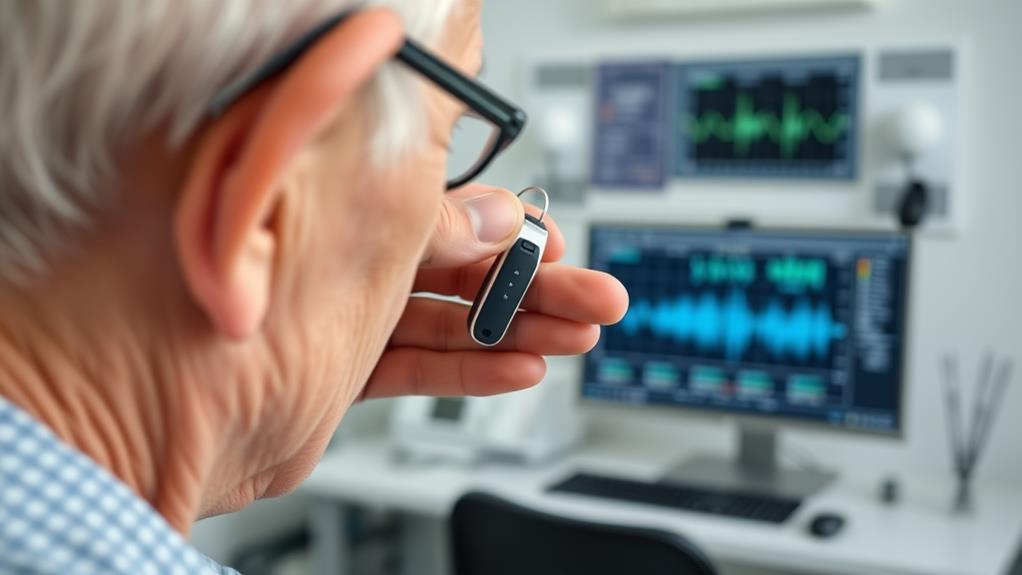
You might wonder why your hearing aids need frequent tweaking. It’s not just about keeping up with your changing hearing—though that’s certainly part of it. Your auditory world is dynamic, constantly shifting between quiet conversations and bustling streets. As technology evolves, so do the capabilities of these tiny devices perched behind your ears. But there’s more to the story than meets the eye—or ear, in this case. The reasons behind these adjustments are as complex and individualized as your own unique hearing journey. Let’s explore why staying on top of these tune-ups is essential for your auditory well-being.
Key Takeaways
- Hearing ability changes over time, requiring adjustments to maintain optimal performance and comfort.
- Different acoustic environments necessitate regular fine-tuning for effective sound processing.
- Technological advancements in hearing aids allow for customization and updates to improve user experience.
- Personal preferences and lifestyle changes demand ongoing adjustments for individualized comfort and functionality.
- Regular maintenance addresses wear and tear issues, ensuring consistent sound quality and device longevity.
Changes in Hearing Over Time
Your hearing landscape can change gradually over time. It’s like your ears are on a slow-motion rollercoaster, and you’re along for the ride whether you like it or not. As you age, your hearing might decide to take an extended vacation, leaving you struggling to catch every word of your favorite TV show. This age-related decline isn’t just about volume, though. Your brain’s auditory processing skills might start slacking off too, like a lazy teenager who can’t be bothered to get off the couch. Suddenly, understanding speech in noisy environments becomes as challenging as solving a Rubik’s cube blindfolded.
In such situations, the advanced noise reduction features of modern hearing aids can greatly help. But don’t panic! Your hearing aids are like personal trainers for your ears, ready to whip them back into shape. They need regular tune-ups to keep up with your ever-changing hearing needs. Think of it as giving your ears a software update – without the annoying “restart now” pop-ups.
Environmental Sound Variations
Life’s soundtrack isn’t a one-size-fits-all affair. You’re constantly moving through different acoustic landscapes, from the buzz of a busy coffee shop to the quiet of your living room. Your hearing aids need to keep up with this ever-changing audio rollercoaster. Modern hearing aids employ contextual hearing capabilities to enhance speech comprehension amidst loud background noise. Think about it: one minute you’re chatting with friends in a noisy restaurant, battling background noise like a sound ninja. The next, you’re enjoying a peaceful walk in the park, trying to catch the subtle chirps of birds. Your trusty hearing aids have to adjust on the fly, like tiny, ear-dwelling superheroes.
Different environments throw different sound frequencies at you. A bustling street might bombard you with low rumbles from traffic, while a concert hall could hit you with high-pitched violin notes. Your hearing aids need regular tune-ups to handle these wild sound parties.
Technological Advancements in Hearing Aids

Hearing aid technology has come a long way from the basic amplifiers of yesteryear. You’d be amazed at the smart features packed into these tiny ear buddies nowadays! We’re talking wireless connectivity that’ll make your grandma’s hearing aid look like a rusty tin can telephone. These modern marvels use adaptive algorithms to adjust on the fly, making sure you’re not blasted by sudden noises or left straining to hear whispers.
But wait, there’s more! Check out this fancy table of hearing aid tech that’ll knock your socks off:
| Feature | Benefit |
|---|---|
| Noise cancellation | Bye-bye, annoying background chatter |
| App integration | Control your hearing aid from your phone |
| Health monitoring | Track your ear health like a boss |
| Customization options | Tailor your sound experience |
| Improved battery tech | Longer life, less hassle |
With these advancements, you’re not just getting better hearing – you’re getting a personal sound engineer in your ear. User interfaces have become so intuitive, even your technophobe uncle could figure them out. And the sound processing? It’s like having a tiny recording studio working 24/7 to make sure you’re hearing life in high definition.
Personalized Comfort and Preferences
You’re not stuck with one-size-fits-all sound, folks! Your hearing aids can be tweaked to match your personal audio preferences, from hushing those annoying background noises to cranking up the volume on your favorite tunes. With features like automatic volume adjustment and advanced noise reduction, modern hearing aids adapt to your environment for a seamless experience. And let’s not forget comfort – these little ear buddies can be adjusted so they feel just right, whether you’re lounging at home or hitting the gym.
Individual Sound Preferences
Each person’s auditory preferences are unique, much like their fingerprints. You might love the sound of birds chirping, while your neighbor finds it annoying as heck. That’s why hearing aids need regular tweaks to match your personal taste in sound.
Think of it like customizing your pizza toppings – you wouldn’t want anchovies if you’re a pepperoni fan, right? Your audiologist will work with you to fine-tune your hearing aids, using fancy techniques like sound therapy and auditory training. It’s like going to the audio gym, but without the sweaty equipment.
You’ll get to play around with different settings, adjusting volume and tone until everything sounds just peachy. Maybe you want to crank up the bass for your weekly dance parties, or tone down the treble for those pesky leaf blowers. Whatever floats your boat, your hearing aids can be adjusted to match.
Comfort Level Adjustments
Just as important as your sound preferences are your comfort levels. Let’s face it, if your hearing aids feel like tiny torture devices, you’re not going to wear them. That’s where comfort level adjustments come in handy. Your audiologist isn’t just there to look smart in a white coat; they’re your personal comfort concierge.
During a fit assessment, they’ll check how snugly your hearing aids nestle in your ears. If they’re looser than your grandma’s dentures, it’s time for some tweaking. They might even take ear impressions, which is basically like getting a plaster cast of your ear canal. Sounds weird, right? But trust us, it’s not as messy as it sounds.
These adjustments aren’t just about physical comfort, though. They’re also about making sure your hearing aids don’t blast your eardrums into next week. Your audiologist will fine-tune the volume and sound quality to match your unique hearing needs. It’s like getting a tailor-made suit for your ears, minus the fancy Italian fabric. So don’t be shy about speaking up if something doesn’t feel quite right. Your ears will thank you!
Maximizing Hearing Aid Performance

Alright, let’s kick your hearing aids into high gear! You’ll want to start by fine-tuning those amplification settings, making sure you’re not missing out on any juicy conversations. Next, focus on optimizing sound quality – because who wants to listen to life through a tin can? Finally, don’t forget to tweak your settings as your lifestyle changes; your hearing aids should keep up with your wild adventures, whether you’re hitting the opera or a monster truck rally.
Optimizing Sound Quality
Optimizing sound quality is essential for maximizing your hearing aid’s performance. Let’s face it, you didn’t shell out big bucks for these tiny ear computers just to hear muffled gibberish! To get crystal-clear audio, you’ll need to fine-tune your devices regularly. Think of it as giving your ears a spa day – they deserve it!
First up, sound clarity. You want your hearing aids to deliver crisp, clean audio, not some garbled mess that sounds like you’re underwater. Adjusting the frequency response can make a world of difference. It’s like turning up the treble on your favorite song, but for your everyday life.
Now, let’s tackle that annoying whistling sound – you know, the one that makes you feel like a teakettle on steroids. That’s feedback, and it’s your hearing aid’s way of throwing a tantrum. Feedback reduction settings can help tame this audio beast. It’s like putting a muzzle on a yappy dog, but for your ears.
Fine-Tuning Amplification Settings
In light of your hearing needs, fine-tuning amplification settings is essential for maximizing your hearing aid’s performance. Let’s face it, your ears are as unique as your terrible dance moves, so your hearing aids need a personal touch. It’s time to get cozy with your audiologist and spill the beans about your listening experiences.
Your feedback is the secret sauce here. Don’t be shy – tell them if sounds are too tinny or if you’re struggling to hear your neighbor’s juicy gossip. They’ll tweak those amplification settings faster than you can say “what?” for the tenth time. Sound clarity is the name of the game, folks. Your audiologist will adjust frequencies, compress sounds, and work their magic to make sure you’re not missing out on life’s soundtrack.
Adapting to Lifestyle Changes
Adapting to lifestyle changes is essential for maximizing your hearing aid’s performance. You’re not a statue, right? Your life’s always changing, and your hearing aids need to keep up! Whether you’re hitting up new social activities or exploring different physical environments, your trusty ear buddies need to be in top shape.
Got a new job? Time for an adjustment! Your hearing aids might need a tweak to handle that noisy office or chatty coworkers. Picked up a new hobby? Let’s make sure you can hear every ping of that pickleball or every note of that ukulele you’ve been strumming.
Don’t forget about seasonal changes, either. Winter coats and hats can mess with your hearing aids, so you might need a quick tune-up. And when summer rolls around, sweat and humidity become your hearing aids’ worst enemies. Gross, right?
The point is, your life’s a rollercoaster, and your hearing aids need to be strapped in tight. Regular check-ins with your audiologist will keep them performing like rock stars, no matter what crazy adventure you’re on next. So don’t be shy – keep your hearing aids in the loop!
Addressing Wear and Tear
As hearing aids endure daily use, they inevitably face wear and tear that can affect their performance. You might not notice it at first, but those tiny powerhouses on your ears are working overtime, battling sweat, earwax, and your constant fidgeting. It’s like they’re running a marathon every day!
Over time, wear patterns emerge that can mess with your device’s longevity. Maybe you’re starting to hear static, or your aids are playing hard to get when you try to adjust the volume. Don’t panic! This is just your hearing aids’ way of saying, “Hey, I could use a tune-up!”
Regular check-ups are essential to keep your aids in tip-top shape. Think of it as a spa day for your little ear buddies. They’ll get cleaned, tweaked, and maybe even a new battery if they’re lucky. Plus, it’s a great chance to show off your stellar earwax collection to your audiologist. They love that stuff, trust me!
Conclusion
You’ve got it – hearing aids aren’t set-it-and-forget-it gadgets. They’re like your ears’ personal assistants, always needing updates. Your hearing changes, the world’s noisy, and tech keeps evolving. Don’t be shy about tweaking your aids. It’s not just about hearing better; it’s about living better. So, keep those appointments, stay on top of adjustments, and show your hearing aids some love. They’re working hard for you, after all!