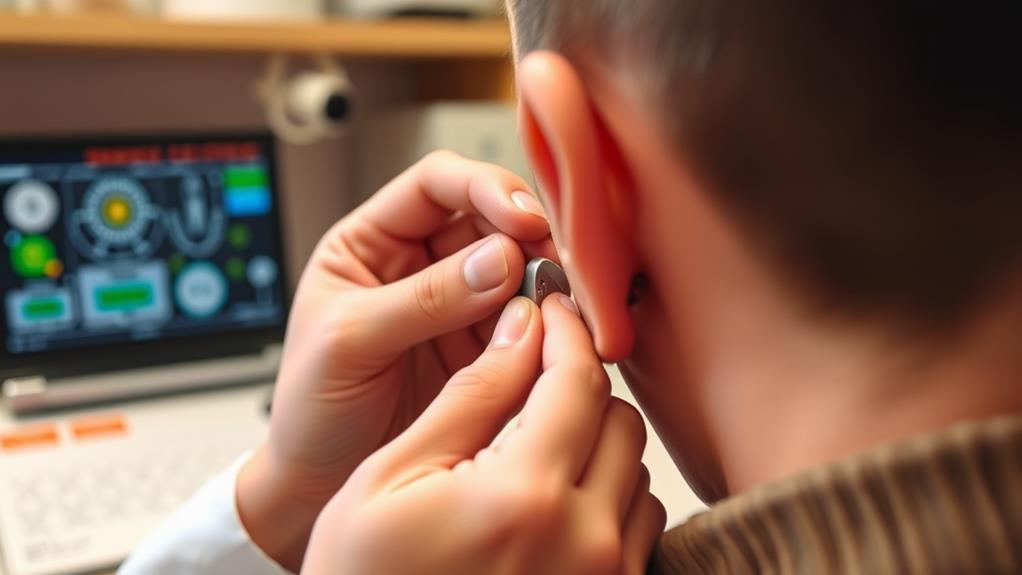
You might think getting a hearing aid is as simple as buying one off the shelf, but there’s much more to it. The hearing aid fitting process is a personalized journey that guarantees you’ll get the most out of your device. From your initial evaluation to the final adjustments, each step is essential for peak performance. You’ll work closely with an audiologist who’ll guide you through selecting the right device, programming it to your specific needs, and helping you adapt to your new auditory world. But what exactly happens during this process, and how long does it take? Let’s explore the intricacies of hearing aid fitting.
Key Takeaways
- Initial hearing evaluation assesses medical history, conducts tests, and determines if hearing aids are needed.
- Ear impressions are taken to create custom molds for proper fitting of hearing aids.
- Audiologist programs and fine-tunes hearing aid settings based on individual needs and preferences.
- Physical fitting ensures comfort and proper placement, with adjustments made as necessary.
- Follow-up appointments allow for further adjustments and support during the adaptation period.
Initial Hearing Evaluation
Initial Hearing Evaluation
Before starting your hearing aid journey, you’ll need to undergo an initial hearing evaluation. Don’t worry, it’s not as scary as it sounds! Your audiologist will kick things off by asking about your medical history and any hearing issues you’ve noticed. They’re not being nosy, just thorough. It’s a good idea to gather medical records and make note of your daily activities before this appointment.
Next up, you’ll hop into a soundproof booth that looks like a mini recording studio. Cool, right? The audiologist will play various beeps and boops through headphones, and you’ll press a button when you hear them. It’s like a weird video game where the prize is better hearing!
After that, they’ll test how well you understand speech in different situations. This is where things get real – you might realize your hearing loss is worse than you thought. But don’t panic! Your audiologist will explain your results and discuss communication strategies to help you cope. They’ll also recommend whether hearing aids are right for you.
Selecting the Right Hearing Aid
If your audiologist recommends hearing aids, it’s time to choose the right one for you. Buckle up, because this isn’t like picking socks – it’s a big deal! You’ve got hearing aid types galore: invisible in-canal, behind-the-ear, and everything in between. It’s like a buffet for your ears!
First, consider your lifestyle. Are you a social butterfly or more of a hermit crab? Your choice should match your daily grind. Next up, budget factors. Don’t worry, you won’t need to sell a kidney, but some options might make your wallet weep. Time to compare brands like you’re judging a beauty pageant, but for your ears. Many seniors find wireless design and Bluetooth connectivity particularly beneficial for their needs.
Technology features are the real showstoppers here. Bluetooth connectivity? Check. Rechargeable batteries? You bet! It’s like your ears are joining the 21st century. Don’t forget to scour user reviews – they’re the dirt on what really works. Warranty options are your safety net, so don’t skimp there. And let’s be real, aesthetic preferences matter. You want to look good while you eavesdrop, right? Battery life and connectivity options are the cherries on top of your hearing aid sundae.
Taking Ear Impressions

Once you’ve selected your hearing aid, it’s time for the ear impression process. Brace yourself, because this is where things get a bit weird and gooey. Your audiologist is about to get up close and personal with your ear anatomy, so maybe skip the garlic bread at lunch. First, they’ll do a quick ear inspection. Don’t worry, they’ve seen it all before – from forgotten cotton swabs to the occasional bug. Next, they’ll stuff a small foam block into your ear canal. It’s not as comfy as a pillow, but it beats having impression materials ooze into your brain.
Now for the fun part: they’ll squirt a goopy substance into your ear. It feels like alien slime, but it’s just harmless silicone. As it hardens, you might hear some crackling. Relax, that’s not your brain cells popping. After a few minutes, they’ll gently remove the hardened mold. Voila! You’ve just birthed a perfect replica of your ear canal. It’s not cute enough for the fridge, but it’ll guarantee your new hearing aid fits like a glove.
Programming the Hearing Aid
You’re not done yet, folks! Now it’s time to turn that fancy ear-gadget into your personal sound superhero. Your audiologist will tweak the hearing aid’s settings, cranking up the volume where you need it most and fine-tuning those tricky frequencies. It’s like they’re DJing your ear party, mixing the perfect audio cocktail just for you.
Customizing Sound Settings
The most critical step in the hearing aid fitting process is customizing the sound settings. You’ve got your shiny new hearing aids, but they’re not worth much if they don’t match your unique ear quirks. It’s time to fine-tune those bad boys!
Your audiologist will tweak various sound parameters to match your personal preferences. They’ll adjust things like volume, pitch, and background noise reduction. It’s like creating a custom soundtrack for your life!
Here’s a fun little table to give you an idea of what they might adjust:
| Setting | Purpose | Your Reaction |
|---|---|---|
| Volume | Make sounds louder | “Whoa, too loud!” |
| Pitch | Adjust high/low tones | “Ah, much better!” |
| Noise Reduction | Filter out background noise | “I can hear you now!” |
| Directionality | Focus on sounds in front | “Who’s behind me?” |
| Feedback Cancellation | Prevent whistling | “No more squeals!” |
Adjusting Amplification Levels
After fine-tuning the general sound settings, it’s time to immerse ourselves in the nitty-gritty of programming your hearing aid. Buckle up, folks! We’re about to explore the world of amplification levels, where the magic really happens.
Your audiologist isn’t a mind reader (shocking, right?), so they’ll need your help to nail down your amplification preferences. They’ll crank up the volume, then dial it back, asking you to pipe up when things sound just right. It’s like Goldilocks, but with fewer bears and more beeps.
User feedback is essential here, so don’t be shy! If something sounds off, speak up. Maybe that bird chirp sounds more like a dinosaur roar, or your partner’s voice reminds you of Darth Vader. Let ’em know! Your audiologist will tweak and adjust until everything sounds as natural as possible.
Fine-Tuning Frequency Response
Beyond adjusting overall volume, fine-tuning frequency response is where your hearing aid truly becomes personalized. It’s like giving your ears a custom-tailored suit, but way cooler and less itchy. Your audiologist will use fancy frequency adjustment techniques to make sure you’re not missing out on any juicy gossip or important announcements.
First up, they’ll tweak the low frequencies. That’s where the bass lives, folks. You’ll be able to hear that sick beat drop at concerts again! Next, they’ll fiddle with the mid-range. This is where most speech hangs out, so you’ll finally understand what your mumbling coworker is saying. Last but not least, they’ll fine-tune the high frequencies. Get ready to hear birds chirping and your spouse sighing in exasperation!
The goal? Sound clarity enhancement, baby! Your audiologist might ask you to listen to different sounds and give feedback. Don’t be shy – this is your chance to be a picky audio connoisseur. Remember, the more honest you are, the better your hearing aid will perform. So speak up and enjoy your new, crystal-clear world of sound!
Physical Fitting and Adjustment

Physical fitting and adjustment of your hearing aid is an essential step in ensuring ideal comfort and performance. Your audiologist isn’t just playing dress-up with your ears; they’re making sure that little gadget fits like a glove. First, they’ll take a good look at your ear anatomy. Don’t worry, they won’t judge you for any weird ear quirks – we’ve all got ’em!
Next up is the comfort assessment. This isn’t a spa day, but it’s pretty close. Your audiologist will pop that hearing aid in and ask you a bunch of questions. “Does it feel like there’s an angry gerbil in your ear?” Okay, maybe not that exact question, but you get the idea. They’ll tweak and adjust until it feels just right.
Sound Testing and Calibration
Now that your hearing aid fits like a dream, it’s time to fine-tune its performance. Your audiologist will crank up the volume and put your new ears through their paces. Don’t worry, it’s not as intense as a rock concert, but it might feel like one at first!
You’ll listen to various sounds, from whispers to car horns, while your audiologist tweaks the settings. It’s like being a sound DJ, but instead of spinning tracks, you’re adjusting your hearing. You’ll give feedback on sound quality and your hearing preferences. Too tinny? Too boomy? Just say the word, and they’ll fix it.
This isn’t a one-size-fits-all situation. Your audiologist will customize the settings to match your unique hearing needs. They might even throw in some real-world simulations, like restaurant chatter or office noise. It’s like a hearing obstacle course, but without the mud and rope swings.
Wearing Schedule and Adaptation

You’re not gonna be a hearing aid pro overnight, so let’s talk about easing into it. Start with short bursts, like an hour or two a day, then gradually crank up your wear time as you get comfy. You’ll likely face some hurdles, like itchy ears or sound overload, but don’t freak out – it’s all part of the process. Stick to your follow-up appointments like glue, ’cause your audiologist will tweak and fine-tune your gear until it’s just right for your ears.
Gradual Wear Time Increase
Adapting to new hearing aids requires a gradual approach. You can’t just slap ’em on and expect instant magic. It’s like breaking in new shoes, but for your ears. Start with short wear times and slowly ramp up. Your audiologist will give you a schedule, but here’s a general idea:
| Week | Daily Wear Time | Environment |
|---|---|---|
| 1 | 2-4 hours | Quiet home |
| 2 | 4-6 hours | Small gatherings |
| 3 | 6-8 hours | Varied settings |
Listen to your ears, literally! If you’re feeling uncomfortable, take a break. It’s not a race, and your comfort level is key. Don’t be a hero – if something feels off, speak up. Your audiologist isn’t a mind reader, so user feedback is essential.
As you increase wear time, you’ll notice improvements in speech understanding and overall sound quality. It’s like upgrading from a flip phone to a smartphone – there’s a learning curve, but the benefits are worth it. Soon, you’ll forget you’re even wearing them. Just don’t forget to take them off before showering!
Common Adaptation Challenges
The road to hearing aid adaptation isn’t always smooth. You might face some bumps along the way, but don’t worry—it’s normal! One pesky issue you might encounter is acoustic feedback, that annoying whistling sound that makes you want to tear your hair out. Ugh! And let’s talk about social situations: suddenly, you’re hearing every conversation at once. It’s like being at a middle school dance, but with better music.
Your emotions might go on a rollercoaster ride, too. One minute you’re thrilled to hear birds chirping, the next you’re overwhelmed by traffic noise. It’s enough to make anyone dizzy! Lifestyle changes and noisy environments can be tricky to navigate. You might find yourself fumbling with your phone, trying to make your hearing aids play nice with other devices. Don’t panic! User education is key. Learn the ins and outs of your new ears, and lean on your support network when things get tough. Remember, adapting to hearing aids is like learning to ride a bike—wobbles are expected, but soon you’ll be cruising!
Follow-Up Adjustments Schedule
A roadmap for success in your hearing aid journey involves a carefully planned follow-up schedule. Trust us, it’s not a “set it and forget it” deal. You’ll need to pop in for regular tune-ups, just like your car. But don’t worry, we won’t charge you an arm and a leg for an oil change!
Your audiologist will cook up a personalized wearing schedule that’ll have you rocking those new ear gadgets in no time. It might look something like this:
| Week | Daily Wear Time | Environments |
|---|---|---|
| 1 | 4-6 hours | Home, quiet |
| 2 | 8-10 hours | Work, errands |
| 3 | All day | Everywhere! |
Follow-up Appointments
After your initial hearing aid fitting, follow-up appointments play an essential role in ensuring your devices work effectively. You’ll want to schedule these check-ups regularly, so don’t be a stranger! These visits are your chance to spill the beans on how your new ear buddies are performing. Your audiologist will be all ears (pun intended) for your patient feedback and lifestyle considerations.
During these follow-ups, you can expect:
- A thorough cleaning of your hearing aids, getting rid of all that pesky ear gunk you’ve been collecting
- Fine-tuning of settings to match your unique hearing needs, like cranking up the volume for your favorite sitcom laugh tracks
- A quick refresher on how to care for your devices, because let’s face it, you probably forgot half of what they told you the first time
Fine-Tuning and Customization

While your hearing aids come pre-programmed, fine-tuning and customization are essential steps in optimizing their performance for your unique needs. Your audiologist isn’t just there to look pretty – they’re your hearing superhero, ready to tweak those high-tech ear gadgets to perfection. They’ll consider your user preferences, lifestyle factors, and the hearing environments you frequent. It’s like tailoring a suit, but for your ears!
You’ll work together to adjust comfort levels and sound quality, making sure your aids aren’t just functional, but downright fabulous. Technology advancements have made this process easier than ever, so don’t be shy about giving feedback. Remember, these are your ears we’re talking about!
| Emotion | Before Fine-Tuning | After Fine-Tuning |
|---|---|---|
| Frustration | “Ugh, everything sounds tinny!” | “Wow, I can hear the birds again!” |
| Confidence | “I’m avoiding social gatherings.” | “Let’s hit that party, folks!” |
| Joy | “Music sounds like mush.” | “Is this what Mozart intended?” |
Your audiologist will consider acoustic considerations and help you make personal adjustments. It’s a bit like training a puppy – patience is key, but the results are worth it. Soon, you’ll be hearing like a champ in no time!
Maintenance and Care Instructions
Congrats on your new hearing aids! Now, let’s talk about keeping them in tip-top shape. You’ll need to clean these tiny tech marvels daily and store them in a dry, safe spot when you’re not using them. Don’t forget to schedule regular check-ups with your audiologist, who’ll make sure your hearing aids are working their magic and might even give them a spa day (okay, more like a professional cleaning).
Cleaning and Storage Tips
Proper maintenance is essential for the longevity and performance of your hearing aids. Let’s explore some cleaning methods and storage solutions that’ll keep your little ear buddies happy and healthy. First things first, you’ve gotta clean these bad boys daily. Wipe ’em down with a soft, dry cloth to remove earwax and debris. Don’t forget to brush the microphone and receiver openings gently – they’re like the nostrils of your hearing aids!
Now, let’s talk storage. When you’re not using your hearing aids, keep ’em in a cool, dry place. Moisture is their arch-nemesis, so avoid leaving them in the bathroom or other humid areas. Oh, and here’s a pro tip: invest in a dehumidifier case. It’s like a spa day for your hearing aids!
Here are three must-have items for your hearing aid maintenance kit:
- A wax pick and brush (for those stubborn earwax battles)
- A cleaning cloth (because nobody likes a grimy hearing aid)
- A battery tester (to avoid the dreaded mid-conversation power outage)
Regular Check-up Schedule
How often should you schedule check-ups for your hearing aids? Well, don’t wait until they’re as crusty as your grandpa’s old slippers! Aim for a check-up every three to six months, depending on how much you use them and how rough you are on the little guys.
During these check-ups, your audiologist will give your hearing aids a once-over, making sure they’re still working their magic. They’ll clean out any earwax buildup (gross, but necessary) and check if any parts need replacing. It’s like a spa day for your ears!
Conclusion
You’ve made it through the hearing aid fitting process, congrats! It’s not a walk in the park, but it’s worth it. Remember, your new ears need some TLC. Keep those follow-ups, don’t skip the maintenance, and you’ll be rocking your super-hearing in no time. It’s like breaking in new shoes, but for your ears. Stick with it, and soon you’ll be eavesdropping on conversations across the room. Just kidding… or are you?