
In 2024, you have access to the best hearing aids for moderate loss, featuring advanced technology and customizable options to enhance your listening experience. The Audien Atom Pro 2 and Sony CRE-C10 are top contenders, offering impressive sound quality with noise cancellation and Bluetooth connectivity. These models cater to various environments, ensuring you can enjoy clear sound without distractions. With rechargeable options providing convenience and over-the-counter choices like Lexie Hearing offering affordability without sacrificing performance, you'll find effective solutions tailored to your needs. Let's explore these options further to find the perfect fit for you.
Key Takeaways
- Top Models for Moderate Loss: Audien Atom Pro 2, Phonak Lyric, and Sony CRE-C10 are highly recommended for their discreet design and enhanced sound quality.
- Key Features for Moderate Loss: Look for hearing aids with noise cancellation, adjustable settings, and comfortable designs that cater to different environments.
- Customization and Comfort: In-the-ear (ITE) hearing aids provide a snug fit and clear sound, while behind-the-ear (BTE) models offer more features like Bluetooth connectivity.
- Advanced Technology for Clarity: Digital sound processing, noise reduction, and feedback suppression are essential for enhancing the overall hearing experience.
- Affordability and Accessibility: Over-the-counter (OTC) hearing aids like MDHearing and Lexie Hearing offer affordable solutions with lifetime audiology support and user-friendly customization.
Invisible Hearing Aid Models
For those seeking discreet hearing solutions, invisible hearing aid models offer a viable option. If you're looking for something that blends seamlessly into your daily life, these devices are the way to go. The best part? They're designed to be as inconspicuous as possible, so you can enjoy the benefits of better hearing without anyone noticing. Many of these models feature noise cancellation technology to enhance your listening experience. Additionally, they often include adjustable settings to better suit different environments.
Invisible hearing aids like the Audien Atom Pro 2 and Phonak Lyric are top picks for their exceptional performance and discreet technology. The Sony CRE-C10 is another great option, offering audiologist-grade sound at an affordable price. These devices are made to fit comfortably inside your ear canal, providing a natural hearing experience that's hard to beat.
When choosing an invisible hearing aid, consider factors like battery life, comfort, and sound quality. Look for models with rechargeable batteries and professional remote adjustments for a hassle-free experience. And don't worry about visibility – these devices are designed to be virtually invisible in most ear canals. With the right invisible hearing aid, you can enjoy better hearing without drawing attention to yourself.
Customizable Hearing Aid Options
Customizable hearing aid options offer tailored solutions for individuals with moderate hearing loss. You're not stuck with a one-size-fits-all device; instead, you can tweak the settings to match your unique hearing needs. Sound personalization is a key feature in many modern hearing aids, allowing you to adjust the sound to suit your preferences. User settings can be programmed to handle different environments, like noisy restaurants or quiet conversations at home. AI-powered noise reduction significantly improves speech clarity, making it easier to engage in conversations without the strain of background noise.
For example, the Sony CRE-C10 is a customizable hearing aid that uses a smartphone app to tailor the sound to your ears. You can adjust the settings on the fly to handle changing environments. The Signia Silk is another option that offers professional remote adjustments, so you can get expert help without leaving your house. These customizable options give you the power to take control of your hearing, ensuring you get the best possible sound quality in any situation. Don't settle for a generic hearing aid – choose a customizable option that puts you in the driver's seat.
Rechargeable Hearing Aid Devices
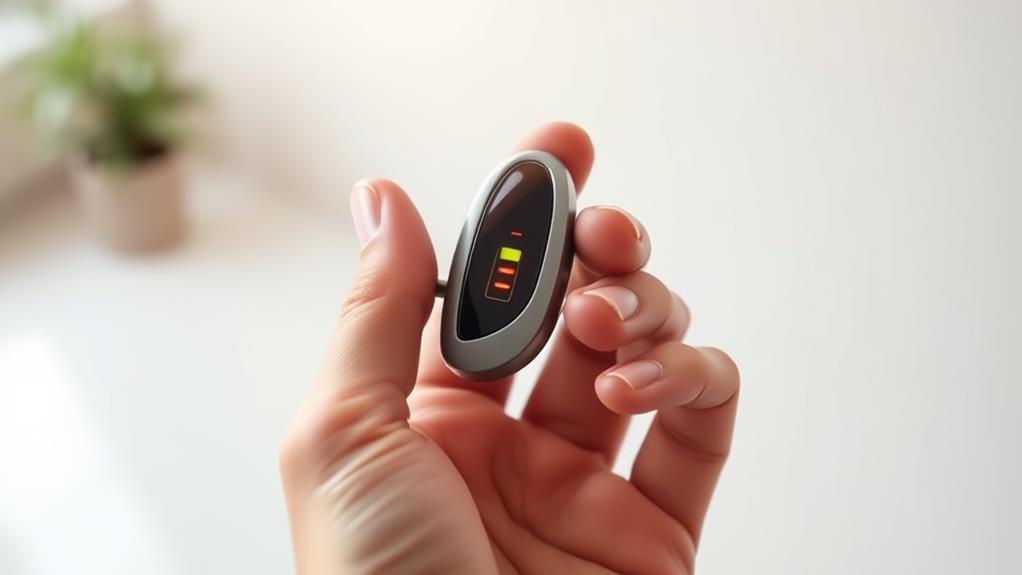
Rechargeable hearing aid devices offer a convenient solution for individuals with moderate hearing loss. These devices eliminate the need for frequent battery replacements, enhancing the overall user experience. With advancements in technology, rechargeable hearing aids now come with impressive battery life, often lasting a full day on a single charge. Additionally, features like background noise management and wireless connectivity further improve usability and satisfaction.
Some key features to evaluate when choosing rechargeable hearing aids include:
- Long Battery Life: Look for devices that can last a full day or more on a single charge.
- Quick Charging: Some models offer fast charging capabilities, providing hours of use with just a few minutes of charging.
- Portable Chargers: Evaluate devices that come with portable charging cases for added convenience on the go.
- Connectivity: Many rechargeable hearing aids offer Bluetooth connectivity for seamless integration with smartphones and other devices.
Over-the-Counter Hearing Aids
Over-the-counter (OTC) hearing aids offer a convenient and accessible solution for individuals with mild to moderate hearing loss. These devices can be purchased directly from manufacturers or online retailers, making them a great option for those who prefer to manage their hearing loss from home. OTC hearing aids are designed for adults with mild to moderate hearing loss, who can clearly communicate feedback and are cognitively healthy. They are not suitable for children, those with profound hearing loss, or individuals who cannot express themselves unaided.
When selecting an OTC hearing aid, look for essential features such as a generous trial period, customizable sound settings, multiple sound-environment presets, and Bluetooth connectivity. User reviews can provide valuable insights into the effectiveness and comfort of different models. For instance, LumiEar offers three rechargeable models, including the BTE LumiCharge V3 and V4, with prices ranging from $297 to $397 per pair. Always verify the manufacturer's FDA registration and read independent customer reviews to ascertain you're purchasing a reputable device.
Advanced Hearing Aid Technology
Advanced Hearing Aid Technology
You're probably wondering what makes today's hearing aids so advanced. Well, it all comes down to smart hearing and sound processing. The latest devices don't just amplify sound; they actually analyze and adjust it based on your environment. This means you get a more natural hearing experience, whether you're in a quiet room or a noisy restaurant.
Here are some key features that make advanced hearing aids stand out:
- Digital Sound Processing: This technology allows hearing aids to distinguish between different types of sounds, like speech and background noise, and adjust the volume accordingly.
- Noise Reduction: Advanced hearing aids can reduce background noise, making it easier to hear what you want to hear.
- Feedback Suppression: This feature eliminates the annoying feedback or whistling sound that can occur with some hearing aids.
- Wireless Connectivity: Many advanced hearing aids can connect to your phone or TV, allowing you to stream audio directly into your ears.
These features aren't just about convenience; they're about giving you the best possible hearing experience. With advanced hearing aid technology, you can enjoy clearer, more natural sound and a better quality of life.
Small Hearing Aid Designs
You're looking for a hearing aid that's small but mighty for your moderate hearing loss. In-the-ear options are super discreet and fit snugly inside your ear canal, while behind-the-ear choices are a bit bigger but pack more features like Bluetooth connectivity. Let's break down these styles so you can find the perfect fit.
In-the-Ear Options
In-the-ear (ITE) hearing aids are a popular choice for individuals with moderate hearing loss, offering a discreet and customizable solution. These hearing aids fit snugly in the ear and come in various styles to suit different needs and preferences.
When considering ITE hearing aids, here are some key points to keep in mind:
- Sound Quality: ITE hearing aids provide clear sound and are suitable for a range of hearing loss levels.
- User Experience: They are easy to use and provide a natural listening experience.
- Customization: ITE hearing aids can be tailored to fit each individual's ear, guaranteeing comfort and proper sound delivery.
- Maintenance: Regular cleaning and maintenance are necessary to guarantee peak performance and longevity.
ITE hearing aids are a great option for those looking for a discreet and effective solution for moderate hearing loss. They offer a blend of sound quality, user experience, and customization, making them a popular choice among hearing aid users.
Behind-the-Ear Choices
Behind-the-ear (BTE) hearing aids offer a versatile solution for individuals with moderate hearing loss, providing a blend of sound quality, user experience, and customization. These devices are suitable for a wide range of hearing loss, from mild to profound, and they fit neatly behind your ear. The body of the hearing aid attaches to a custom ear mold or thin tubing, which requires some manual dexterity to guarantee proper insertion and placement.
BTE hearing aids provide excellent sound quality and are known for their comfort features. They are often rechargeable and can be connected to smartphones and other devices using Bluetooth technology. This makes them a practical choice for daily use. Additionally, they are generally easy to handle and maintain, which is a significant advantage for those who prefer a straightforward user experience.
When choosing a BTE hearing aid, it's essential to reflect on your specific needs and preferences. Consulting with an audiologist can help you find the perfect fit. They can guide you through the selection process, assuring you get a device that not only improves your hearing but also suits your lifestyle.
Affordable Hearing Aid Solutions

You're looking for affordable hearing aid solutions, and the good news is there are plenty of budget-friendly options out there. Prescription hearing aids can be pricey, but over-the-counter (OTC) hearing aids are a more affordable alternative, with some models available for less than $2,000 per pair. And, if you're eligible, discount programs from organizations like Veterans Affairs, Hearing Aid Project, and Hearing Loss Association of America can help you snag free or discounted hearing aids.
Budget-Friendly Options
Budget-friendly options are available for moderate hearing loss, offering affordable solutions that are both effective and accessible. When it comes to affordable hearing aids, you're not sacrificing quality for price. Many budget-friendly options come with impressive features like rechargeable batteries, Bluetooth streaming, and user-friendly apps.
Here are some key points to take into account:
- Audien: Offers rechargeable batteries and is known for its affordability.
- Jabra Enhance: Provides high-end sound quality with Bluetooth streaming and rechargeability.
- MDHearing: Offers lifetime audiology support, making it a great option for long-term care.
- Lexie Hearing: Boasts a user-friendly app, making adjustments and customizations easy.
User reviews highlight the effectiveness of these affordable options, with many users expressing satisfaction with their performance. Cost-saving tips include skipping pricey features, waiting for sales, and using funds from health savings accounts. For those with moderate hearing loss, these budget-friendly options can be a game-changer, offering enhanced hearing without breaking the bank.
Prescription Vs. OTC
When considering affordable hearing aid solutions, an essential decision is whether to opt for prescription hearing aids or over-the-counter (OTC) options. Let's break it down: prescription hearing aids are like the sports car of hearing aids, complete with fancy features and personalized tuning by an audiologist. They can treat all levels and types of hearing loss, but they come with a hefty price tag, ranging from around $1,000 to $14,000 per pair. On the other hand, OTC hearing aids are like the reliable sedan – they get the job done without the frills. They're designed for adults with mild to moderate hearing loss and are considerably more affordable, with prices averaging around $850.
The key difference is the level of customization. Prescription hearing aids are tailored to your specific hearing needs after a thorough consultation with an audiologist, which can make a huge difference in performance. OTC hearing aids, while convenient, might not provide the same level of precision without professional guidance. So, if budget is your main concern and you have mild to moderate hearing loss, OTC might be the way to go. But for more severe cases or if you want that sports car experience, prescription is your best bet.
Discount Programs
Discount programs can considerably reduce the cost of hearing aids, making them more accessible to those who need them. You might be surprised at how many options are available to help you save money.
Here are some ways to get affordable hearing aids:
- Government Assistance: Some government programs, like Medicaid and the Veterans Administration, offer financial aid for hearing aids.
- Nonprofit Programs: Organizations like the Hearing Aid Project and the Starkey Hearing Foundation provide free or discounted hearing aids to those in need.
- Senior Discounts: Many retailers offer discounts for seniors, so it's worth asking about these when purchasing hearing aids.
- Payment Plans: Some hearing aid providers offer financing options or payment plans to help spread the cost over time.
Don't forget to check if your insurance covers hearing aids. Some plans may offer partial coverage or discounts. Additionally, keep an eye out for promotional offers, loyalty programs, and trade-in programs that can help reduce the cost. By exploring these options, you can find a hearing aid that fits your budget and meets your needs.
Conclusion
You're all set to find the perfect hearing aid for moderate loss in 2024. Top picks like the Audien Atom Pro 2 and Sony CRE-C10 offer amazing sound quality, noise cancellation, and Bluetooth connectivity. Rechargeable options make life easier, and over-the-counter choices like Lexie Hearing save you money without sacrificing performance. Don't wait – get the hearing aid that suits your style and budget, and start enjoying clear sound without distractions