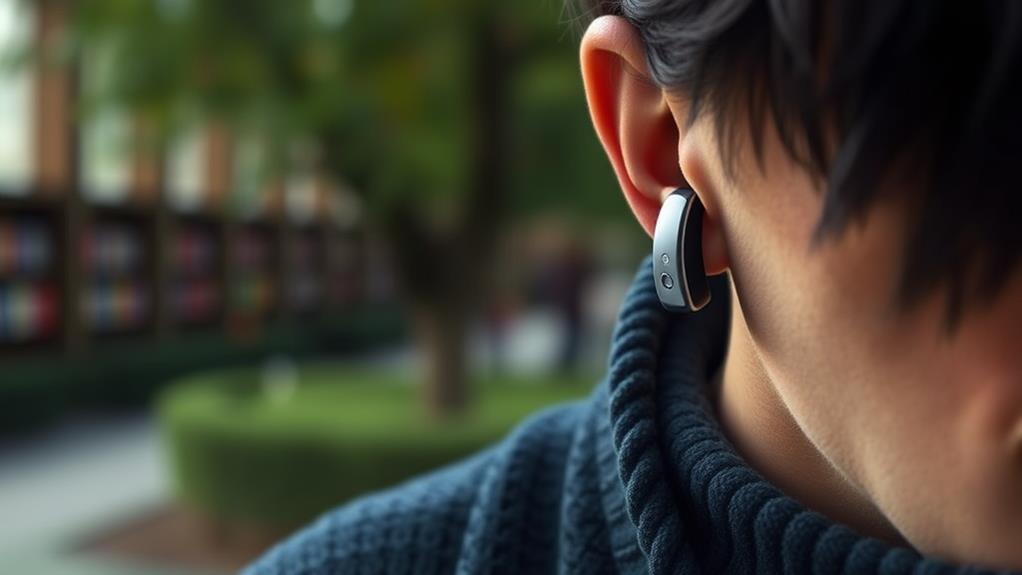
If you're living with severe hearing loss, finding the right hearing aid can greatly enhance your daily communication and engagement. Behind-the-Ear (BTE) and In-the-Ear (ITE) models are typically recommended for their high sound amplification and effective noise management features. Advanced options like Receiver-in-the-Ear (RITE) devices offer natural sound quality and are beneficial for those with dexterity issues. With key features such as Bluetooth connectivity, rechargeable batteries, and specialized noise reduction technologies, there's a tailored solution available. Your audiologist can help you find the best fit, ensuring a more engaging and connected life.
Key Takeaways
- Best Hearing Aids for Severe Loss: The most effective treatments for severe hearing loss include hearing aids and cochlear implants.
- Types of Hearing Aids: Behind-the-Ear (BTE), In-the-Ear (ITE), and Receiver-in-the-Ear (RITE) models are suitable for severe hearing loss.
- Key Features: High sound amplification, noise management, and natural sound quality are crucial for effective communication in severe hearing loss.
- Choosing the Right Aid: Consultation with healthcare providers helps determine the best type based on individual needs and preferences.
- Advanced Technologies: Features like Bluetooth connectivity, rechargeable batteries, and advanced noise reduction enhance the usability and performance of hearing aids.
Understanding Severe Hearing Loss
Severe hearing loss greatly impacts your ability to engage with the world around you, making everyday conversations and activities challenging. Understanding severe hearing loss means recognizing that you can't hear most conversations without help. Hearing aids or cochlear implants are common treatments. This type of hearing loss is usually sensorineural, caused by damage to the inner ear's hair cells or the auditory nerve. Once damaged, these cells can't be repaired, making the loss permanent.
Causes of severe hearing loss include exposure to loud noises, certain medicines, and aging. Recognizing the cause can help you find the right coping strategies. For instance, if noise exposure is the issue, using ear protection in noisy environments can prevent further damage. Incorporating devices with advanced noise reduction can also be beneficial in noisy settings.
Hearing aids can considerably improve your quality of life by amplifying sounds to a level you can hear. Discussing your needs with a hearing care professional can help you find the best hearing aid for your situation. Different styles, like behind-the-ear (BTE), in-the-ear (ITE), and receiver-in-canal (RIC), offer various features to suit different needs.
Types of Hearing Aid Models
When it comes to addressing severe hearing loss, there are several types of hearing aid models that can help you regain your ability to engage with the world around you. Let's break it down:
| Type of Aid | Description | Suitable For |
|---|---|---|
| Behind-the-Ear (BTE) | Fits behind your ear with a custom ear mold or thin tubing. | Mild to profound hearing loss. |
| In-the-Ear (ITE) | Fills your entire ear or part of it, great for those with dexterity issues. | Moderate to severe hearing loss. |
| Receiver-in-the-Ear (RITE) | Similar to BTE, with a thin receiver wire extending into your ear canal. | Mild to severe hearing loss. |
These models can greatly improve your hearing, but for some, more advanced options like cochlear implants or bone conduction devices might be necessary. Don't hesitate to explore these alternatives if your hearing loss is severe or profound. Remember, the goal is to find the best fit for you, so don't be afraid to ask your healthcare provider about the options that could transform your hearing.
Key Features for Severe Loss
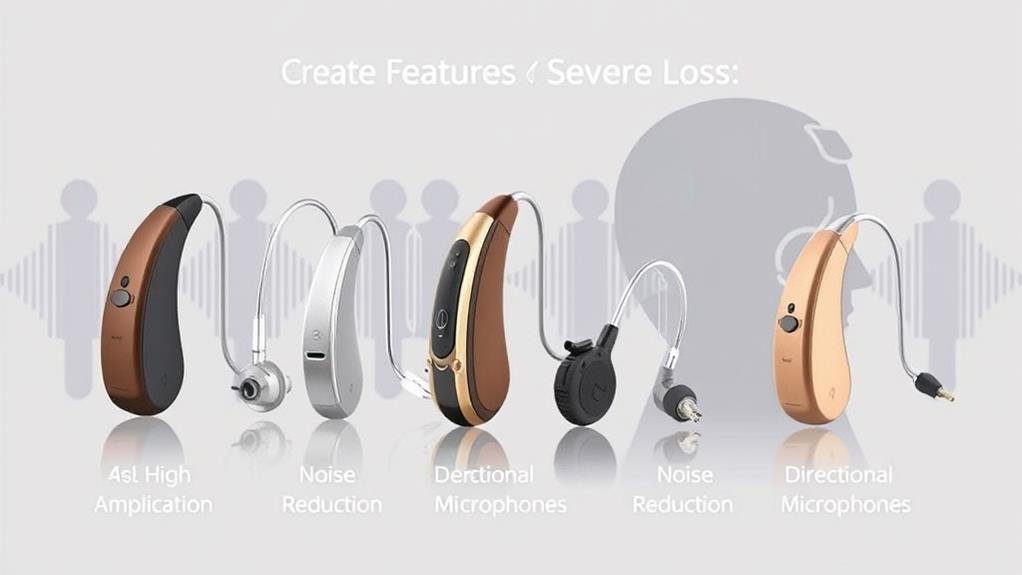
For individuals with severe hearing loss, the key features of a hearing aid can greatly impact its effectiveness. You'll want to focus on sound amplification and noise reduction to get the most out of your device. Let's talk sound amplification first. You need a hearing aid that can really boost those sound waves so you can hear what's going on around you. Look for a device with a high sound amplification rating and automatic volume adjustment, especially if you have trouble hearing in noisy environments.
Noise reduction is also essential. You don't want to be overwhelmed by background noise, like the constant hum of the air conditioner or the chatter of people in a crowded restaurant. A good hearing aid will have features like noise cancellation or sound filtering to help you tune in to what's important. Receiver-in-the-ear (RITE) hearing aids are often a good choice for severe hearing loss. They offer a more natural sound and can be paired with noise reduction features. In-the-ear (ITE) devices can also be effective, especially if you have dexterity issues. Just remember, it's all about finding the right balance between sound amplification and noise reduction.
Choosing the Right Hearing Aid
Choosing the right hearing aid for severe loss is essential, and you've got options – behind-the-ear (BTE) and in-the-ear (ITE) styles are typically the way to go. These styles can offer advanced features like Bluetooth connectivity and rechargeable batteries, which are must-haves for anyone dealing with severe hearing loss. Additionally, BTE hearing aids are ideal for severe hearing loss due to their power and easy maintenance. ITE hearing aids, on the other hand, are custom-molded to fit inside the ear, providing comfort and less visibility.
Hearing Aid Types
Best Hearing Aids for Severe Loss
Choosing the Right Hearing Aid
Hearing Aid Types
Selecting the right hearing aid is essential for effectively managing severe hearing loss. The type of hearing aid you choose can greatly impact your ability to hear and engage with the world around you. There are several types of hearing aids available, each with its own set of advantages and limitations. Here are some key points to reflect on:
Key Considerations for Hearing Aid Types
- Behind-the-Ear (BTE): Suitable for a wide range of hearing loss, from mild to profound. BTE devices fit behind your ear and are connected to a customized ear mold or thin tubing.
- In-the-Ear (ITE): Fills your entire ear or a portion of it. Ideal for those with moderate to severe hearing loss or dexterity issues.
- Receiver-in-the-Ear (RITE): Offers a more natural sound by placing a receiver wire into your ear canal. Suitable for mild to severe hearing loss.
- In-the-Canal (ITC): Fits deeply into your ear canal, making it less visible. Suitable for mild to severe hearing loss.
When choosing a hearing aid, reflect on factors like battery life, wireless connectivity, and the size and shape of your ear. Your healthcare provider can help you determine which type best suits your needs.
Key Features Considerations
When selecting a hearing aid, several key features should be considered to guarantee you find the most suitable device for your needs. For severe hearing loss, you'll want a device that can handle the extra power requirements without sacrificing battery life. Check the battery life, especially if you're someone who talks on the phone a lot or loves binge-watching your favorite shows. You don't want your hearing aids dying on you mid-conversation or mid-episode.
User reviews are also super helpful in giving you a real-world idea of how a hearing aid performs. Look for reviews from people with similar hearing loss to yours. Did they find the device easy to use? Did it improve their ability to hear in noisy environments? These insights can be invaluable in making your decision.
Don't be afraid to ask your audiologist about these features. They can help you narrow down your options and find the perfect hearing aid for your needs. Remember, the goal is to find a device that makes your life easier, not more complicated. So, take your time, do your research, and don't settle for anything less than the best.
Advanced Technologies for Better Hearing
Advanced Technologies for Better Hearing
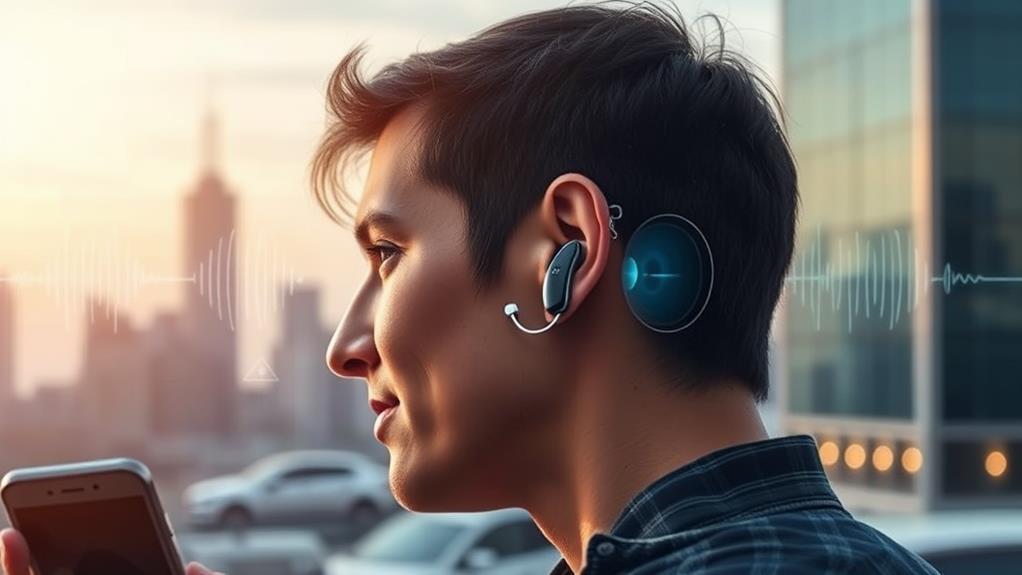
When it comes to severe hearing loss, you need more than just any hearing aid. You need advanced technologies that can help you hear better and clearer. Let's explore some of the cool features that can make a big difference:
- Noise Reduction: This technology helps filter out background noise, so you can focus on what matters – conversations, your favorite TV show, or your grandkids' laughter.
- Sound Amplification: This feature boosts the sounds you want to hear, making it easier to understand what's being said.
- Bluetooth Connectivity: Hook up your hearing aids to your smartphone or TV, and enjoy clear, direct sound without any interference.
- Rechargeable Batteries: Say goodbye to battery swaps and hello to convenience – many hearing aids now come with rechargeable batteries that last all day.
These advanced technologies can help you hear better, even in noisy environments. So, don't let severe hearing loss hold you back – explore these features and find the best hearing aids for you.
Evaluating Hearing Aid Performance
Sure, here is a short paragraph initiating a discussion of key features and technologies, customization and fitting for the subtopic "Evaluating Hearing Aid Performance" in the article "Best Hearing Aids for Severe Loss":
Evaluating hearing aid performance is essential to getting the best one for your severe hearing loss. You'll need to check out key technologies like Bluetooth connectivity, rechargeable batteries, and advanced noise management. A custom fit with an audiologist is also vital to guarantee your hearing aid is tailored to your specific hearing needs.
Key Features and Technologies
The hearing aid landscape offers a range of technologies and features that can greatly enhance performance, particularly for those with severe hearing loss. When it comes to severe hearing loss, you need a hearing aid that can keep up. Look for devices with advanced noise reduction features and robust durability to handle the demands of daily life.
Consider these key features and technologies:
- Rechargeable Batteries: Many of the latest hearing aids are rechargeable, reducing the hassle of battery replacements.
- Bluetooth Connectivity: Connect your hearing aids to smartphones and other devices using Bluetooth technology for seamless integration.
- Advanced Noise Reduction: Features like noise reduction can substantially improve your ability to hear in noisy environments.
- Durable Designs: Behind-the-ear (BTE) and receiver-in-the-ear (RITE) devices are known for their durability and are suitable for severe hearing loss.
These technologies can make a big difference in how well your hearing aids perform. By focusing on hearing aid durability and noise reduction, you can find a device that meets your needs and enhances your quality of life.
Customization and Fitting
Your journey to finding the perfect hearing aid involves more than just selecting a model; it requires a precise fitting process to guarantee peak performance. When dealing with severe hearing loss, it's vital to get personalized fittings to make certain your hearing aids are tailored to your specific needs. This involves more than just throwing on a pair of hearing aids; it's about fine-tuning them to amplify the sounds you need to hear clearly.
Hearing aid adjustments are an essential part of this process. You'll need to work closely with an audiologist who can tweak your hearing aids to match your unique hearing profile. This might involve multiple visits to get everything just right. But trust us, it's worth the effort. With the right fitting, you'll be able to hear conversations more clearly, pick up on subtle sounds, and even enjoy your favorite TV shows without cranking up the volume. So, don't be afraid to ask for adjustments until you're satisfied with the results. Your hearing is worth it.
Conclusion
Conclusion: You're on the quest for the best hearing aids for severe loss. Behind-the-Ear (BTE) and In-the-Ear (ITE) models are the top dogs, offering high amplification and noise management. Don't forget to look for Bluetooth connectivity, rechargeable batteries, and specialized noise reduction. These features will make your daily life a whole lot easier. So, pick the right one and start hearing the world again. It's time to turn up the volume and live life to the fullest.